 Business License

6063-T5 vs. Common Aluminum: Why High-Strength Alloy Is a Must for Outdoor Shading Systems
Meta Description: Not all aluminum is equal. Discover how 6063-T5 aerospace-grade alloy outperforms common aluminum in strength, corrosion resistance, and longevity – and why it’s the only choice for premium pergolas.
Keywords: 6063-T5 aluminum, outdoor shading system, aluminum comparison, pergola material, corrosion resistance
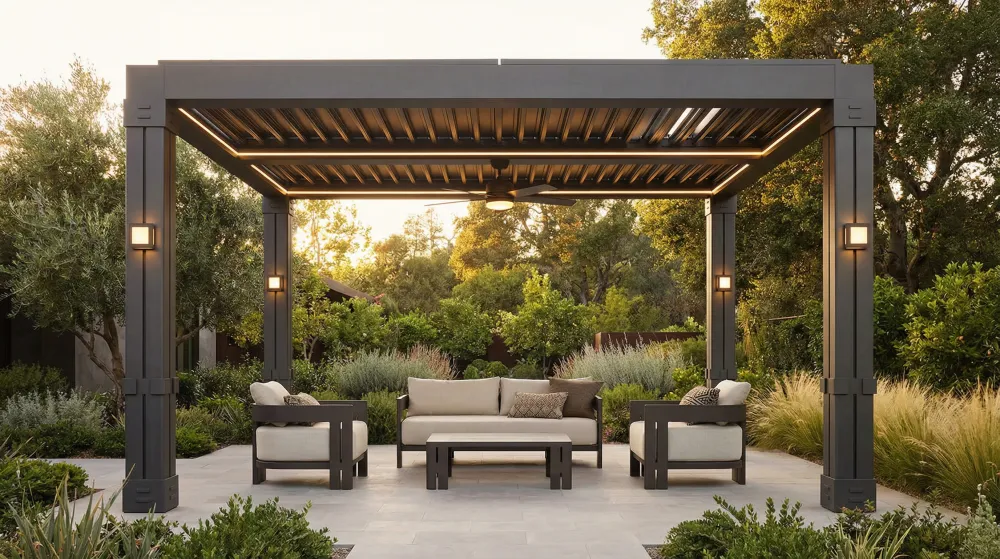
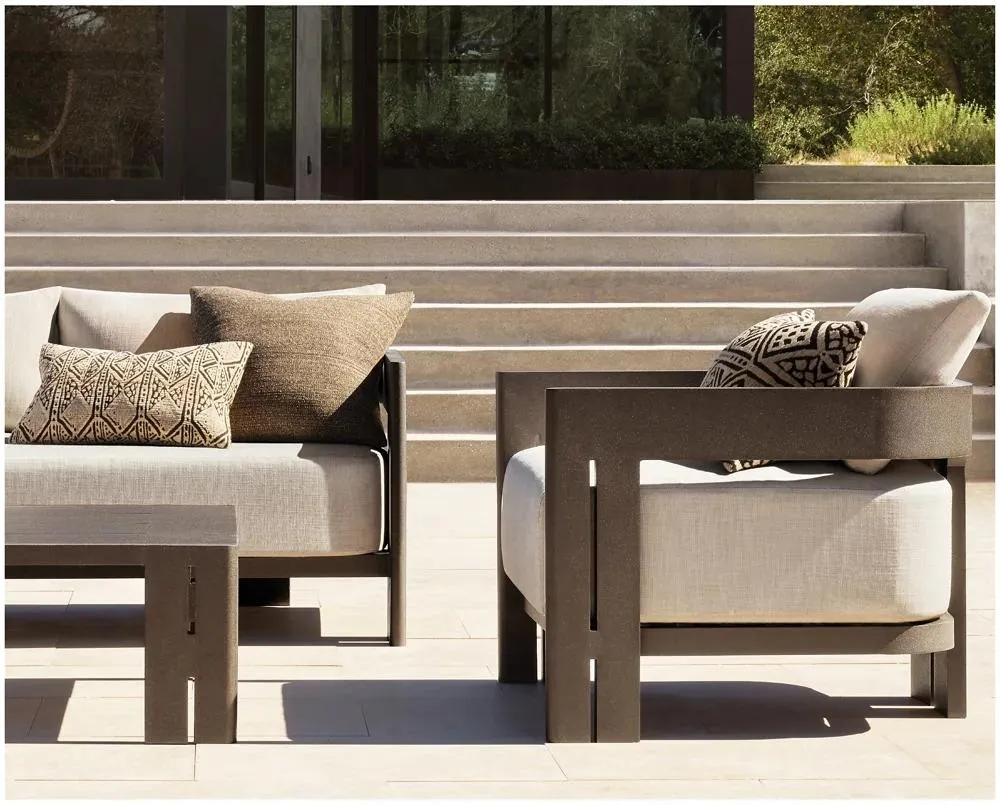
6063-T5 vs. Common Aluminum: The Material Revolution Behind Premium Pergolas
When you invest in an outdoor pergola or shading system, what you are truly buying is years of worry‑free enjoyment. The deciding factor is not just design or color – it’s the material you cannot see.
Many low‑cost products use common or recycled aluminum. They may look fine at first, but within months you may see deformation, corrosion, and peeling coatings. XCANOD, however, insists on 6063‑T5 aerospace‑grade aluminum – an alloy built for the harsh outdoor environment.
1. Chemical Composition: The Fundamental Difference
| Property | 6063‑T5 Aluminum | Common Aluminum (e.g. 1060 or recycled) |
|---|---|---|
| Mg/Si Content | Optimized (Mg 0.45‑0.9%, Si 0.2‑0.6%) | Unstable or high impurities |
| Heat Treatment | T5: solution heat-treated & artificially aged | No standard treatment |
| Grain Structure | Fine, uniform, low internal stress | Coarse, porous, prone to micro‑cracks |
Conclusion: The alloy formulation of 6063‑T5 guarantees excellent mechanical properties right from extrusion.
2. Mechanical Performance: Strength & Stability Compared
Outdoor structures must withstand wind, snow, thermal expansion, and impact. Here are real‑world test values:
| Property | 6063‑T5 | Common Aluminum (1060 or recycled) |
|---|---|---|
| Tensile Strength | ≥ 205 MPa | ≈ 70‑130 MPa |
| Yield Strength | ≥ 175 MPa | ≈ 50‑80 MPa |
| Hardness (HB) | ≈ 55‑65 | ≈ 20‑30 |
| Wind Resistance | Up to 120 km/h (typhoon level 12) | Below 8‑level wind, prone to bending |
XCANOD test result: A 4x4m pergola with closed louvers passed wind tunnel testing at 120 km/h – equal to a Category 3 hurricane.
3. Corrosion Resistance: The Lifeline for Coastal & Rainy Areas
Common aluminum has a thin, uneven oxide layer that quickly develops white rust and pitting in humid or salt‑spray environments. 6063‑T5 forms a dense natural oxide film; combined with our powder coating, it offers dual protection.
Salt spray test comparison:
Common aluminum: visible corrosion after 240 hours
6063‑T5 (anodized only): no change after 800 hours
6063‑T5 + powder coating: over 2000 hours (XCANOD internal standard)
4. Fabrication Precision & Long‑Term Appearance
Premium pergolas require tight‑fitting joints and smooth‑moving louvers. 6063‑T5 is stretch‑leveled after extrusion, with straightness error ≤0.5mm per meter. Common aluminum bends easily, leading to jamming louvers and misaligned doors.
Moreover, coating adhesion on 6063‑T5 is far superior. After 2000 hours of QUV aging, XCANOD’s powder‑coated surfaces retain >95% of their original color. Common aluminum coatings often start chalking and fading within 1‑2 years.
Summary: The “Material Value” Argument
| Aspect | Common Aluminum | 6063‑T5 Aluminum |
|---|---|---|
| Initial cost | Low | Slightly higher (+20‑30%) |
| 5‑year maintenance | High (repairs/replacement) | Near zero |
| Appearance retention | Fades in 2 years | Like new after 10 years |
| Safety | High risk of wind damage | Meets international building codes |
XCANOD’s guarantee: Every pergola, carport, and sunroom is made from 100% primary 6063‑T5 aluminum, backed by a 10‑year structural warranty. Choose XCANOD – choose “install and forget” peace of mind.
Recently Posted
-
XCANOD Launches the New 300 Series Heavy-Duty Aluminum Pergola with Enhanced Wind Resistance
July 6, 2026XCANOD Launches the New 300 Series Heavy-Duty Aluminum Pergola with Enhanced Wind Resistance and 150 kg/m² Snow Load CapacityXCANO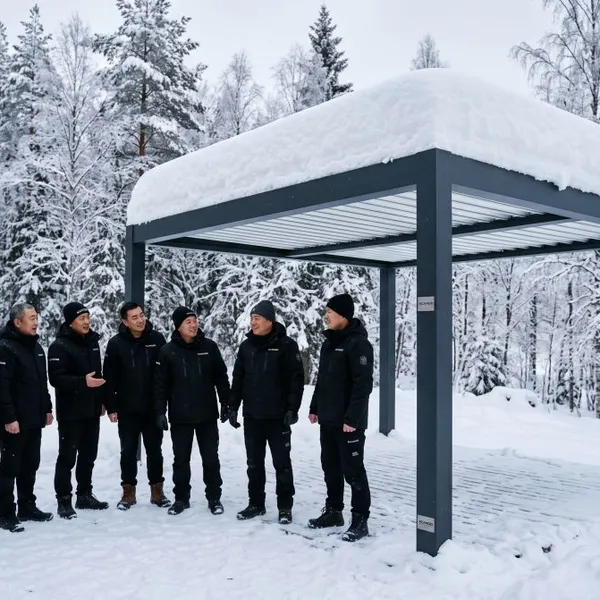 Read More
 -
How to Choose the Highest Wind‑Resistance Rating for Your Commercial Patio Awning
May 19, 2026Meta Description: Restaurants, hotels, and cafés face higher wind risk on outdoor patios. This practical guide helps you sele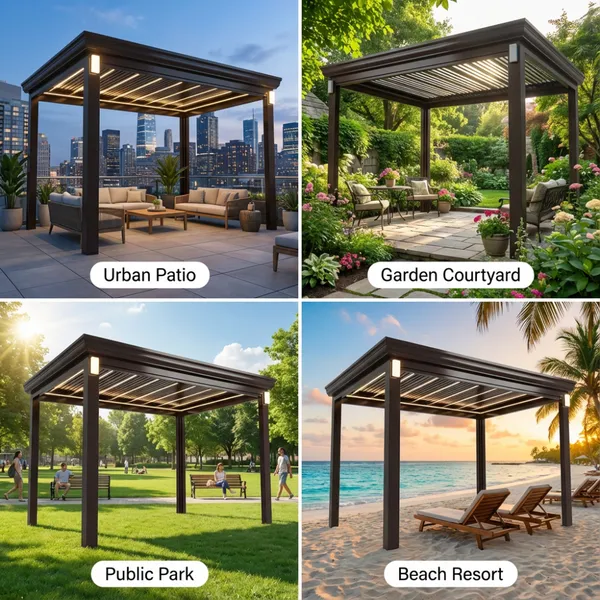 Read More
 -
5 Global Trends for Smart Outdoor Shading Systems in 2026
May 19, 2026Meta Description: Smart homes are moving into the garden. By 2026, outdoor shading will be an adaptive, connected ecosystem.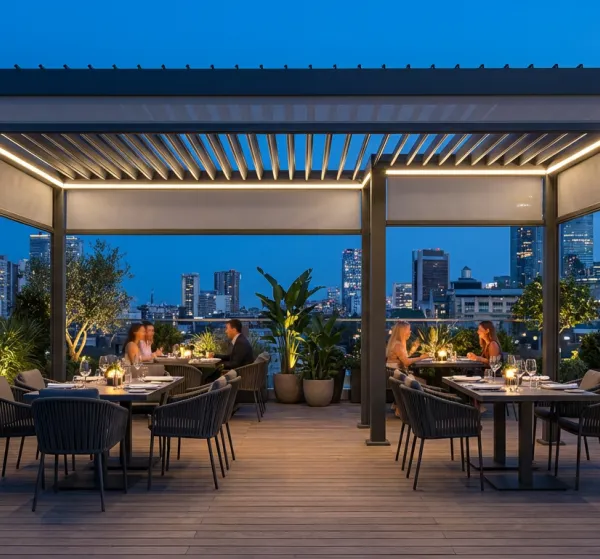 Read More

Contact Us
Recommended Products
-
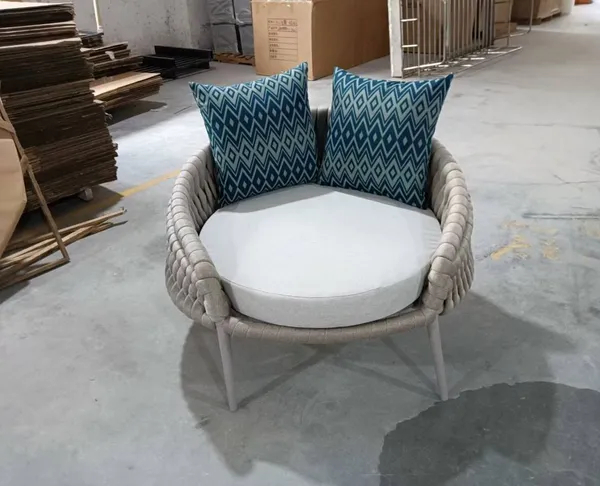
 Modern Hand Woven Rope Single Outdoor Lounge Chair, Round Balcony Patio Accent Armchair With Waterproof Cushion & Decor PillowsNegotiableMOQ: 1 Set
 -
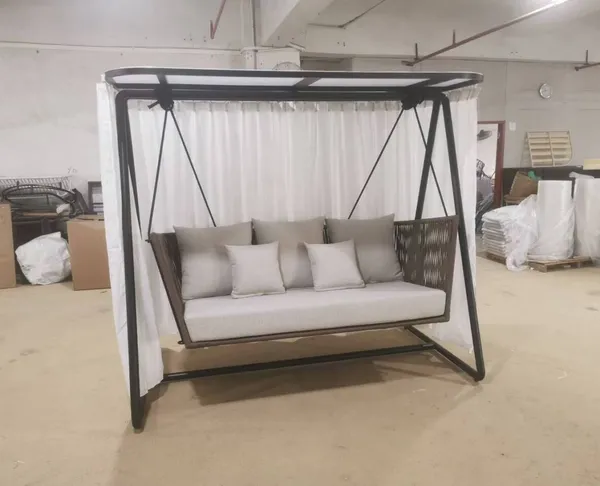
3-Seater Aluminum Outdoor Swing Chair With Canopy & Curtain, Weather Resistant PE Rattan Patio Swing Bench for Garden Villa ResortNegotiableMOQ: 1 Set
-
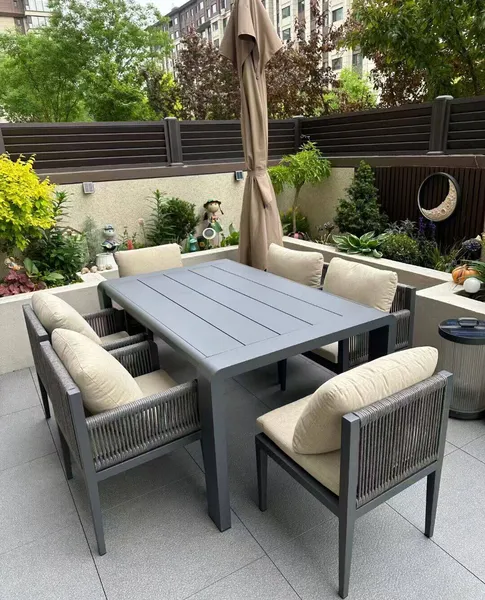
6-Seater Aluminum Outdoor Dining Table Chair Set, Waterproof Rope Woven Patio Furniture With Quick Dry Cushions for Garden Villa Terrace RestaurantNegotiableMOQ: 1 Set
-
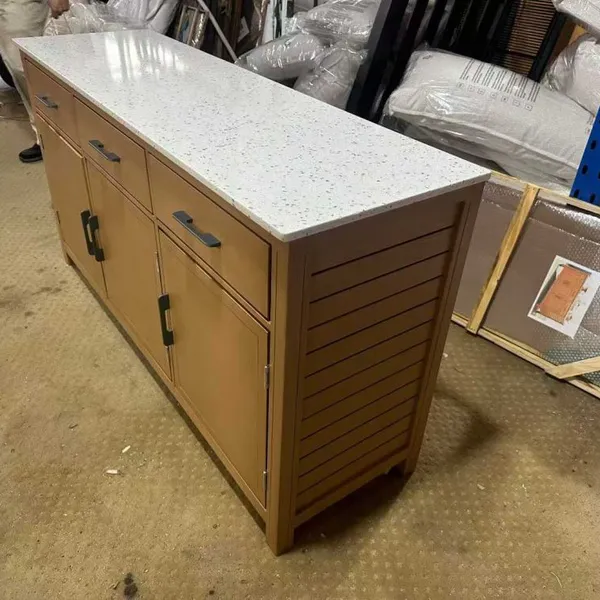
Waterproof Aluminum Outdoor Storage Cabinet With Quartz Stone Countertop, Garden Patio Sideboard Buffet Cabinet for Outdoor Restaurant Pool AreaNegotiableMOQ: 1 Set
-
Commercial Large Star Peak Canopy Tent Waterproof UV Resistant Outdoor Camping Star Shade Tent for Camp Resort Wedding PartyNegotiableMOQ: 1 Set

-
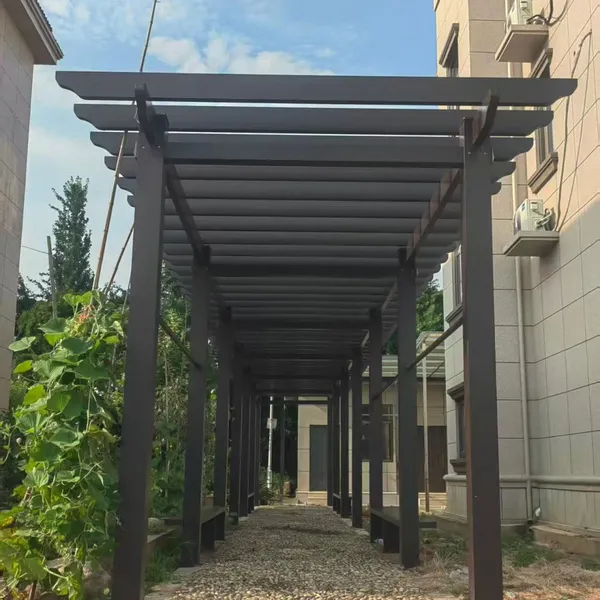
Black Manual Adjustable Louver Aluminum Pergola, Outdoor Garden Sun Shade GazeboNegotiableMOQ: 10 Square Meters
-
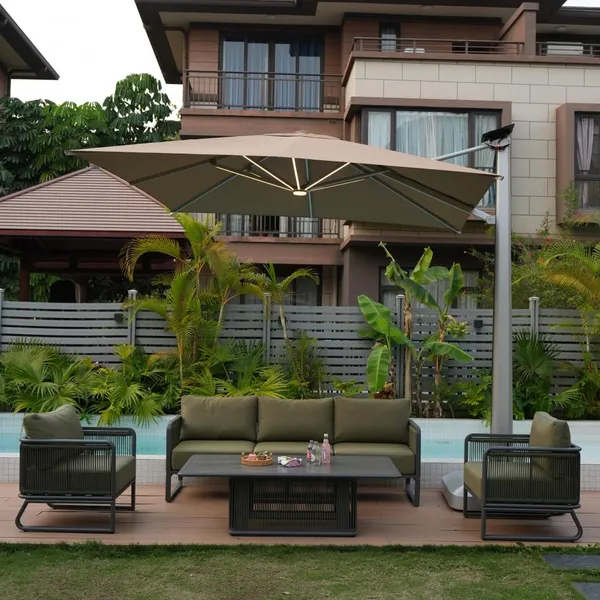
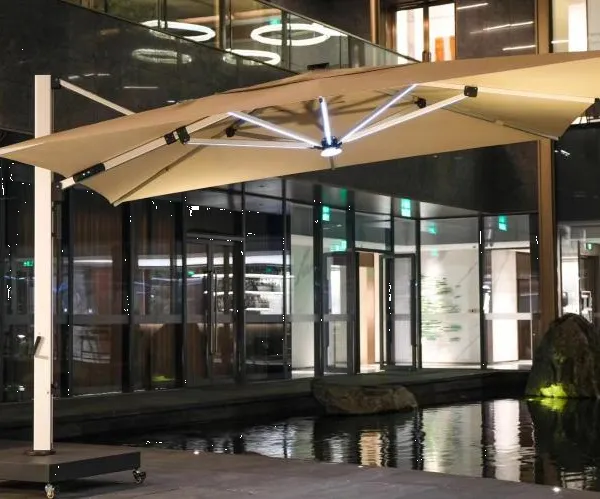
Solar Powered Electric Cantilever Patio Umbrella, 360° Rotatable Offset Parasol With Switchable Warm & White LED Lights,NegotiableMOQ: 1 Piece
-
Cantilever Patio Umbrella With Built-in LED Central Light, Large Offset Side Pole Parasol Waterproof UV Resistant for CafeNegotiableMOQ: 10 Pieces
-
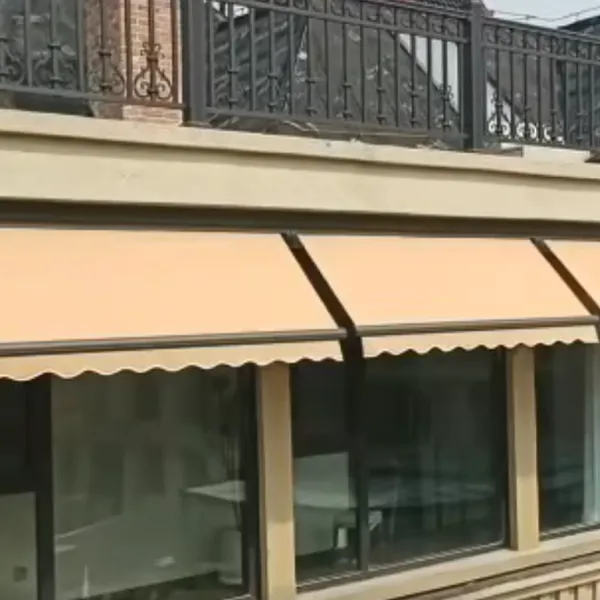
Motorized Retractable Arm Window Awning With Scalloped Edge, UV Blocking Waterproof Fabric Wall Mount Sun Shade Canopy for Villa Windows & BalconyNegotiableMOQ: 10 Square Meters
-
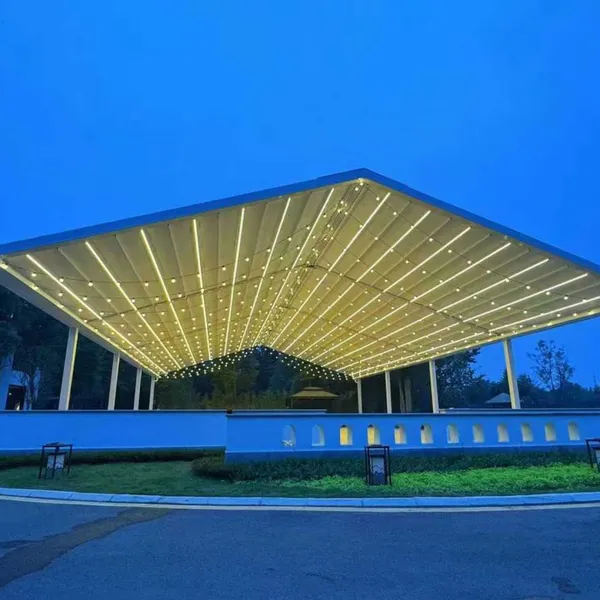
Motorized Retractable Fabric Canopy, Large Automatic Folding Outdoor Sky Roof With LED Light Strip for Park Scenic SpotNegotiableMOQ: 10 Cubic Meters
-
Motorized Adjustable Louver Aluminum Pergola Combo With Marble Top Outdoor Dining SetNegotiableMOQ: 1 Piece
-
Aluminum Alloy Gazebo With Motorized Adjustable Louvers (includes Outdoor Dining Set With Marble Tabletop),NegotiableMOQ: 1 Piece
-
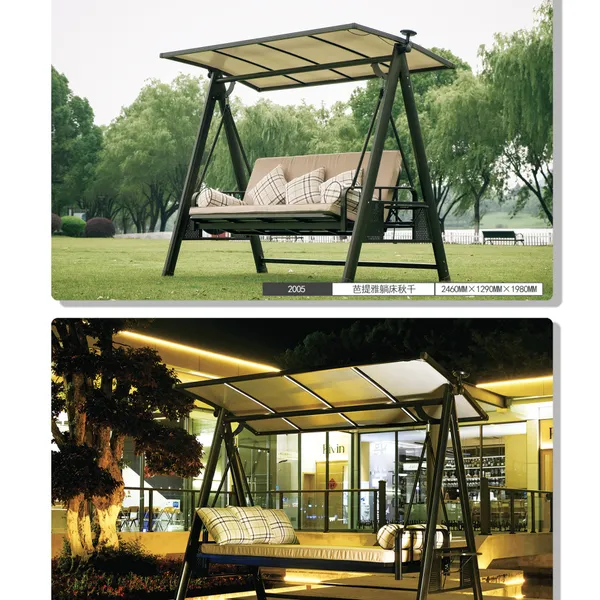
Solar LED Light Metal Outdoor Swing Chair With Sun Canopy, 2/3 Person Patio Glider Swing With Cup Holders & Storage Pocket for Garden, Villa CourtyardNegotiableMOQ: 1 Set
-
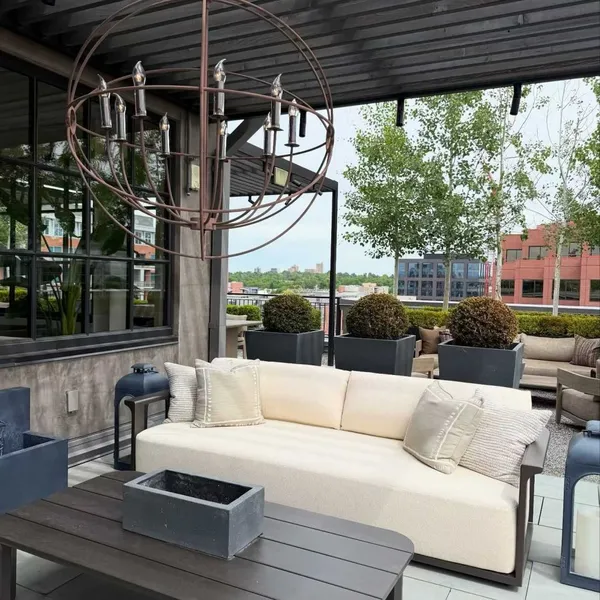
Weathered Teak & Olefin Rope Outdoor Furniture Collection, Modular Sectional Sofa, Coffee Table & Dining Set for Rooftop TerraceNegotiableMOQ: 1 Piece
-
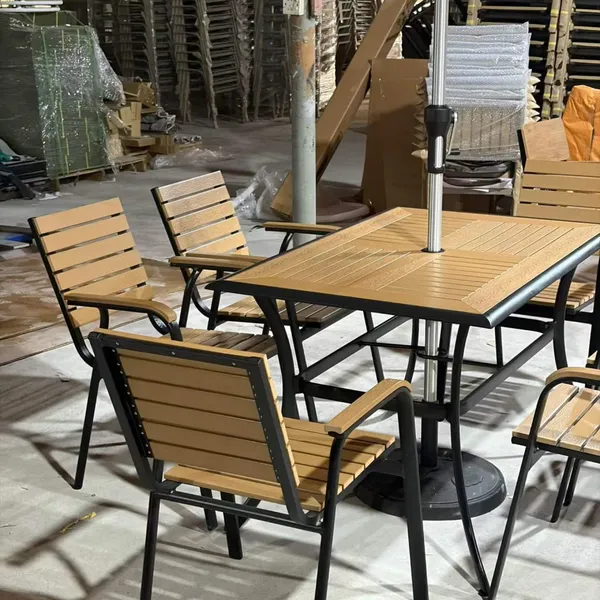
Wood-Plastic Composite Outdoor Dining Set With Central Hole Table, Stackable Metal Frame Armchairs & Large Octagonal Patio Umbrella for CafeNegotiableMOQ: 1 Piece
-
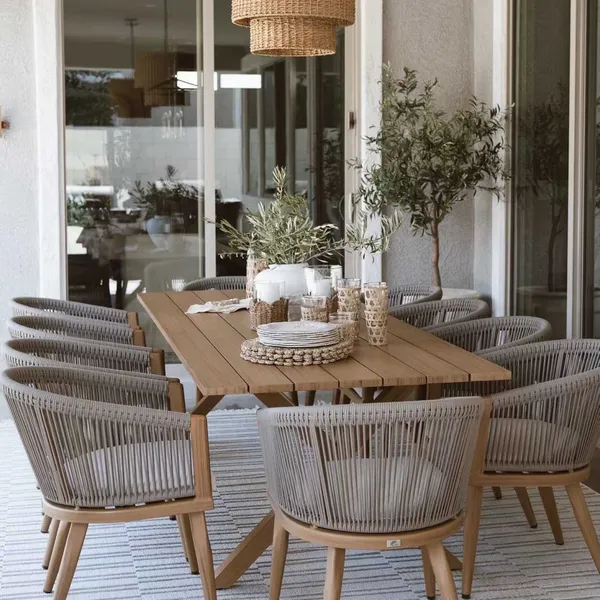
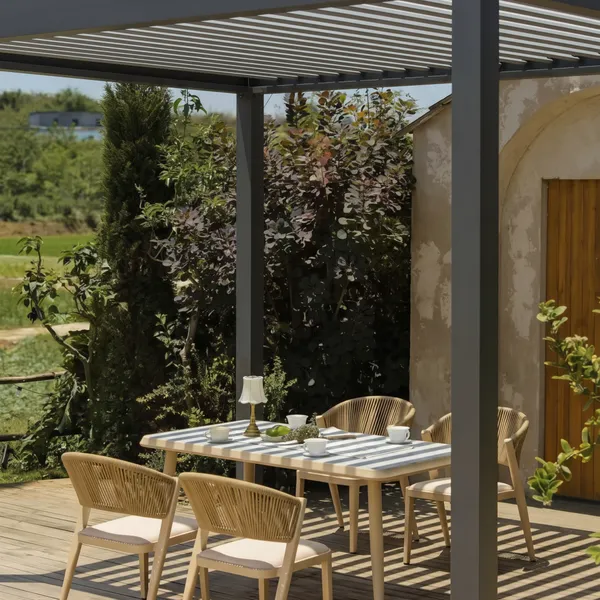
Outdoor Dining Set With Heavy-Duty Aluminum Alloy Frames — Includes a Rectangular Table With Teak-Finish, Weather-Resistant Olefin Wicker Armchairs,NegotiableMOQ: 1 Combo
-
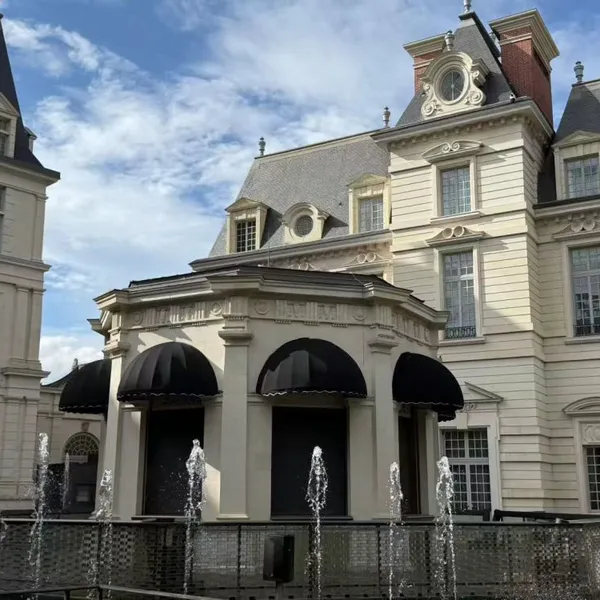
Fixed Curved Dome Decorative Window Awning, Scalloped Edge Waterproof Fabric Stationary Canopy for European Commercial Building & Villa FacadeNegotiableMOQ: 6 Pieces
-
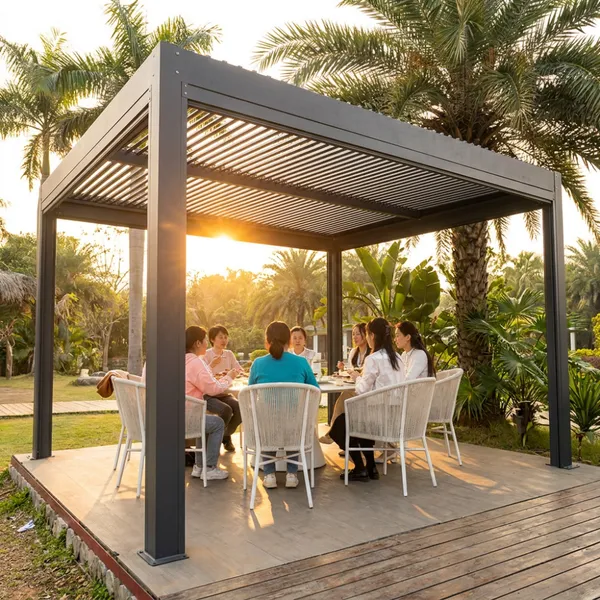
Motorized Adjustable Louvered Aluminum Pergola, Modern Waterproof Outdoor Gazebo for Garden, Resort & Villa Patio Dining SpaceNegotiableMOQ: 1 Piece
-
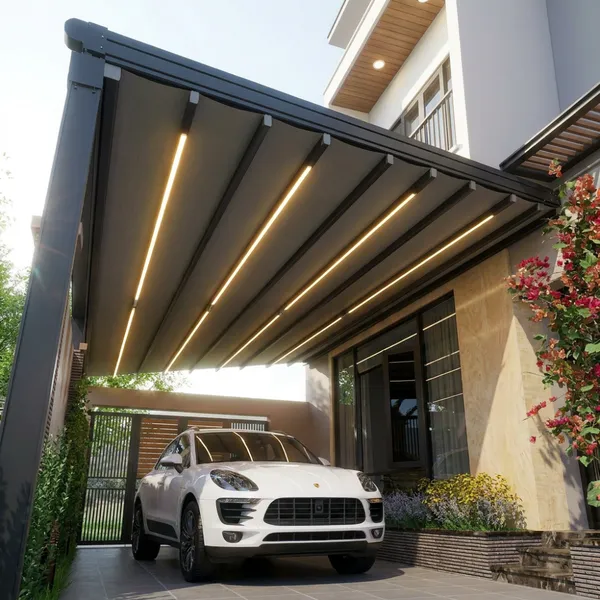
Motorized Retractable Fabric Roof Aluminum Carport With Built-in LED Light Strips, Modern Outdoor Vehicle Shelter for Villa Driveway & PatioNegotiableMOQ: 1 Square Meter
-
Oval All-Weather Wicker Outdoor Daybed With Retractable Sun Canopy, Rattan Round Lounge Sofa With Cushions for Poolside, Garden & Villa TerraceNegotiableMOQ: 1 Piece